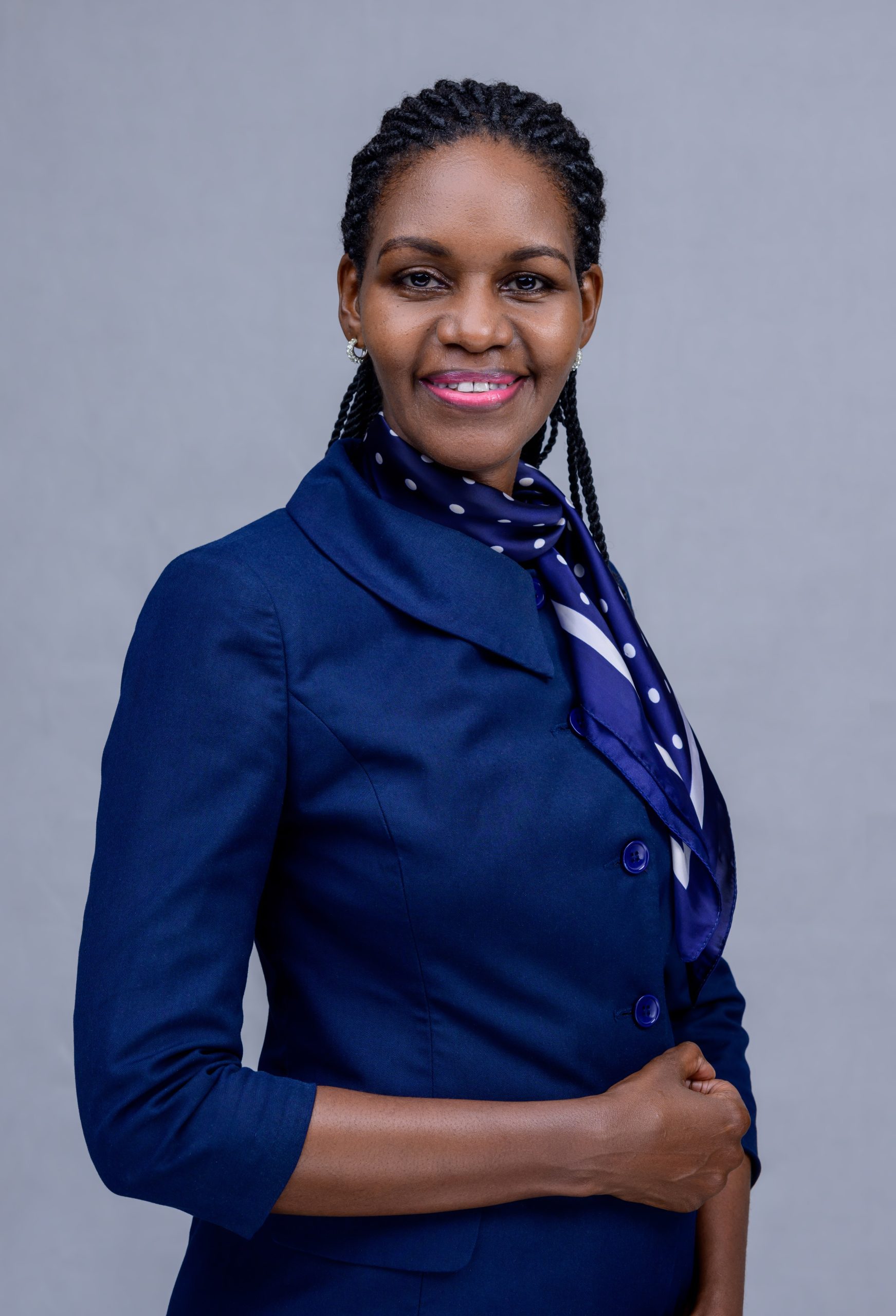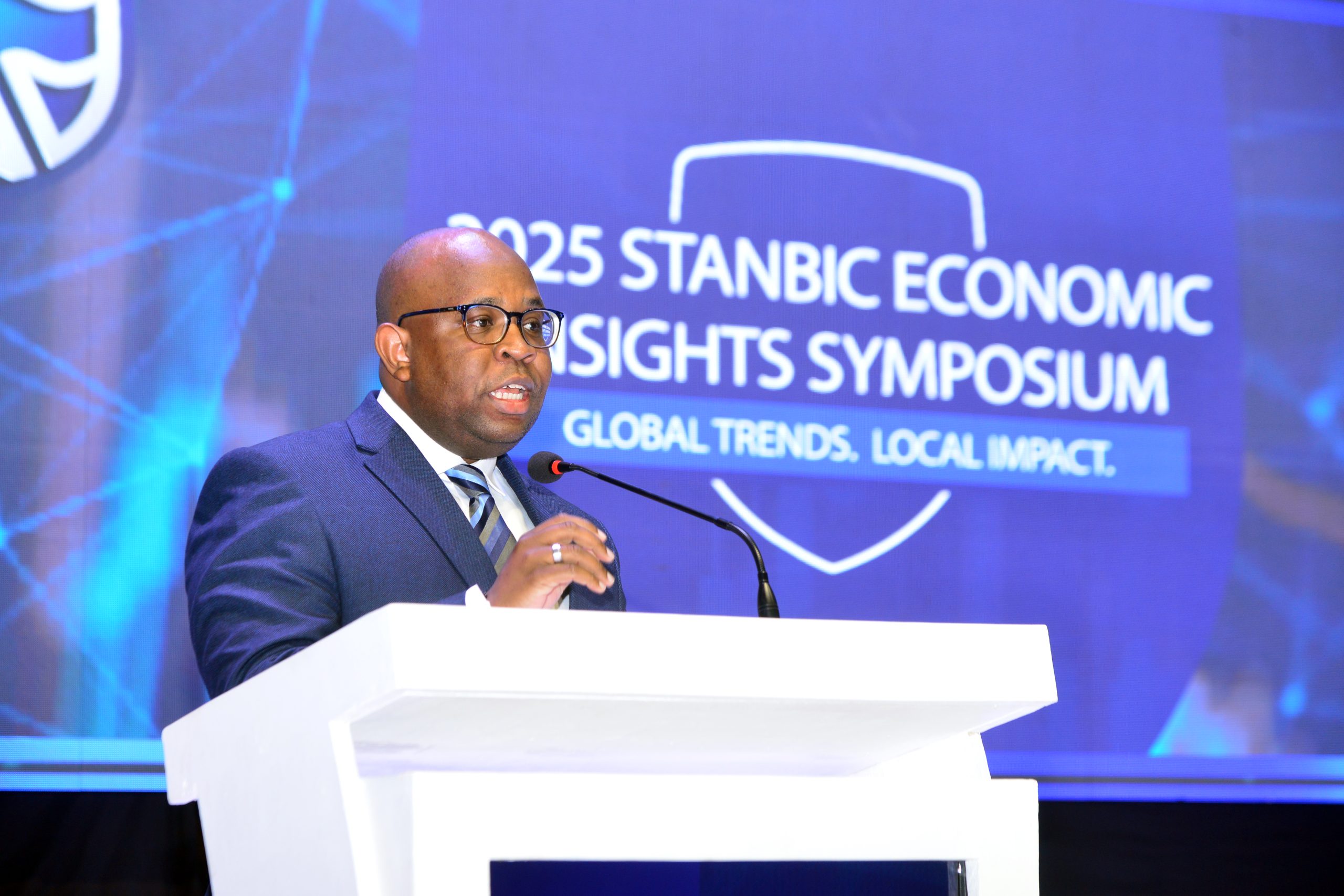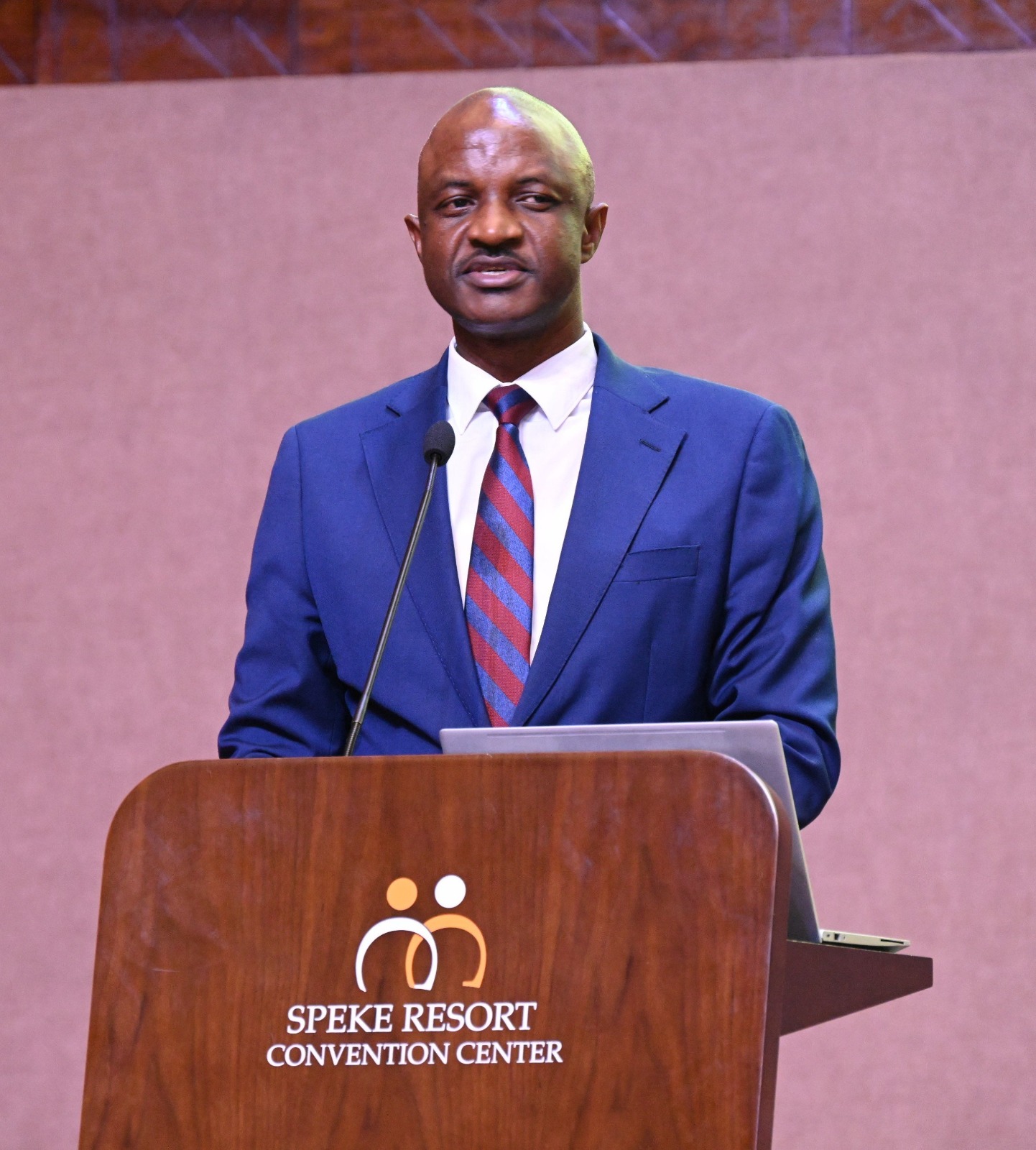
Ramathan Ggoobi, Secretary to the Treasury
Officials who bind the Government to costs without Parliament’s budget approval now face removal from their posts, according to new instructions from the Treasury.
Ramathan Ggoobi, Secretary to the Treasury, delivered the message on Friday to permanent secretaries, agency heads and chief administrative officers gathered at Speke Resort Munyonyo in Kampala.
The directive arrives as work starts on the 2026/2027 budget. He stated that any accounting officer who makes financial commitments without an approved parliamentary allocation will no longer hold that role.
The statement follows a review of unpaid bills estimated at Sh7 trillion, plus roughly Sh1.8 trillion in contested claims. Joint checks with the Auditor General showed some claims had been inflated. Officials say the exercise prevented payment of that disputed sum.
In several cases, funds earmarked for particular services were shifted to other uses, adding to the backlog. Ggoobi said the ministry will now release money already included in the approved budget so that legitimate invoices can be settled promptly.
He confirmed that every invoice properly submitted through the Treasury Single Account in the last financial year had been paid.
Ongoing problems in public spending
Reports from the Auditor General and parliamentary committees show domestic arrears have continued to climb for several years.
New obligations often exceed the amounts paid, leaving a growing stock of unpaid bills. Some accounting officers have under provided for arrears in their budgets, kept outstanding debts off the books, or cleared claims that had never been declared.
These practices divert money from planned activities and raise the chance of court cases and extra costs. Business suppliers feel the impact directly.
Julius Mukunda of the Civil Society Budget Advocacy Group noted that firms providing goods and services to Government struggle with cash shortages, loan defaults and, in some cases, closure.
Delayed payments also push some suppliers to raise their prices. He said the current pattern of budgeting needs to change and that contracts should not be signed unless payment is assured.
Tighter limits on extra budgets
Ggoobi further cautioned against treating supplementary budgets as a routine fix for weak planning. While genuine emergencies still require them, deliberately omitting important items from the main budget in the hope of later additions is no longer acceptable.
During the 2025/2026 financial year, Parliament passed five supplementary packages worth about Sh9.23 trillion between December 2025 and May 2026. Civil society groups argue that repeated supplements undermine proper planning and create openings for misuse. Kukunda insisted they must remain rare and stay within legal bounds.
Uniform prices and ready projects
The Treasury will introduce common specifications and price bands for everyday purchases such as computers and vehicles.
Dr Aminah Zawedde, permanent secretary at the Ministry of Information, Communication Technology and National Guidance, observed that different government bodies have paid markedly different amounts for identical items.
The goal is clearer standards rather than fully centralised buying, so that better prices are obtained and leakages reduced.
Finance Minister Henry Musasizi added that the way institutions are judged is changing. Success will no longer rest mainly on the volume of money spent.
Attention will shift to the concrete services delivered to citizens. Ggoobi also insisted that projects must be fully prepared before receiving funds. Many have begun without complete designs, land title, access rights or feasibility studies, resulting in delays and wasted money.
Simon Kaheru of the East African Business Council said wasteful outlays have long increased the tax burden. He urged that any savings be channelled into production, raw-material supply, processing and more advanced manufacturing.