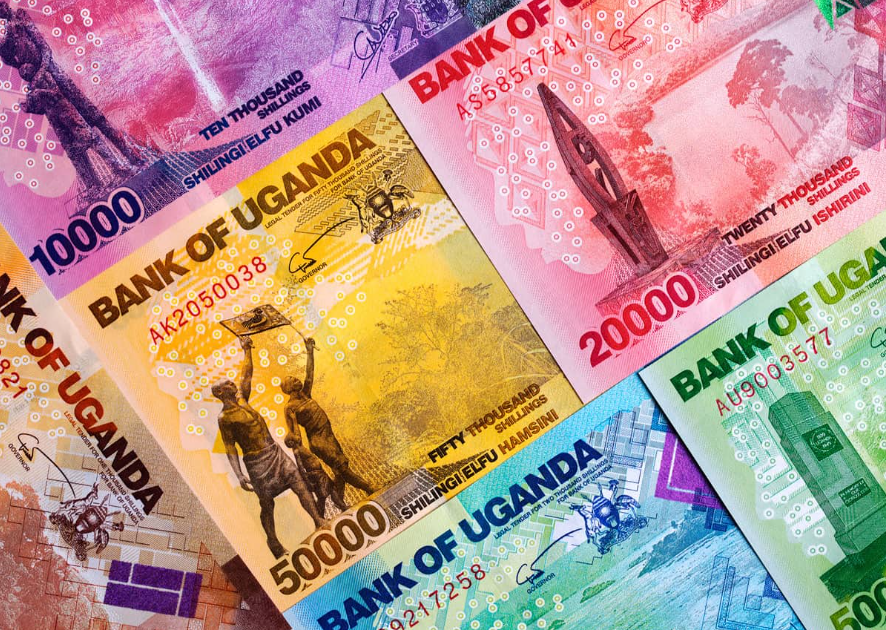
Uganda’s economy is growing strongly with low inflation, but a widening budget deficit and rising debt costs remain key weaknesses ahead of the long-awaited start of oil production later this year, the International Monetary Fund (IMF) said.
The IMF’s Executive Board concluded its 2026 Article IV consultation with Uganda on July 27, praising robust growth momentum while urging tighter public finances and better management of future oil revenues.
Growth reached 6.3% in the first three quarters of the 2025/26 fiscal year (July-June), matching the previous year’s strong performance. It has been driven by solid domestic demand, a recovery in private sector credit and low inflation. Headline inflation stood at 3.7% and core inflation at 3.4% in June, both well below the Bank of Uganda’s 5% medium-term target.
Foreign exchange reserves rose to $6.1 billion by the end of May 2026, covering about 2.7 months of imports, helped by portfolio inflows even as the current account deficit stayed elevated due to capital goods imports and a wider services gap.
The main soft spot is the budget. The overall fiscal deficit widened to 6.0% of GDP in 2024/25 from 4.7% the year before, driven by higher recurrent spending and rising interest payments. It is projected to reach 7.1% of GDP in 2025/26. Public debt has climbed above 50% of GDP, with debt service absorbing a large share of revenues and crowding out private sector lending.
The IMF expects growth to accelerate further once commercial oil production begins, currently targeted for late 2026. Uganda’s Tilenga and Kingfisher projects, linked to the East African Crude Oil Pipeline, are nearing completion after years of delays. Peak output is expected around 230,000 barrels per day. Oil should strengthen both fiscal and external balances over the medium term, though revenues will ramp up gradually.
IMF directors welcomed the growth outlook but expressed concern over the weak fiscal position. They called for stronger revenue collection, tighter spending controls (including limits on supplementary budgets) and a clear, transparent framework for handling oil money so that it supports development spending while protecting future generations.
“Future oil revenue should be geared to enhancing growth and improving social development while safeguarding intergenerational equity,” the Fund said. It also urged faster reforms to improve governance, fight corruption, ease the cost of doing business and reduce trade barriers so that growth creates more jobs and is more widely shared.
Risks include a prolonged Middle East conflict that could raise energy and transport costs, tighter global financial conditions, further delays in oil production, climate shocks and any major disease outbreak. Inflation is expected to rise toward the 5% target in 2026/27 as some of these pressures materialize.
Uganda exited a three-year IMF Extended Credit Facility arrangement in 2024. The latest review comes after general elections earlier this year in which President Yoweri Museveni secured another term. Authorities have outlined an ambitious “tenfold growth” strategy aiming for major expansion by 2040 through agriculture, tourism, minerals and technology, but the IMF stressed that underlying reforms still need to be delivered.
Independent analysis and other recent reports note that oil revenues alone will not close the deficit quickly. Projections show the gap remaining above 6% of GDP for several years as new spending absorbs much of the inflow, keeping reliance on domestic borrowing high. Effective management of the Petroleum Fund and strict adherence to fiscal rules will be critical to avoid the pitfalls seen in other resource-rich African economies.
The Bank of Uganda has kept monetary policy relatively tight to anchor inflation expectations. The IMF backed this approach while encouraging greater exchange rate flexibility and continued reserve-building. The financial sector remains well-capitalized, though close monitoring of bank exposure to government debt is needed.