Uganda’s Economic and Commercial Diplomacy (ECD) has expanded to 34 Missions Abroad following its full rollout in FY2025/26, strengthening the country’s efforts to attract investment, expand export markets and promote tourism.
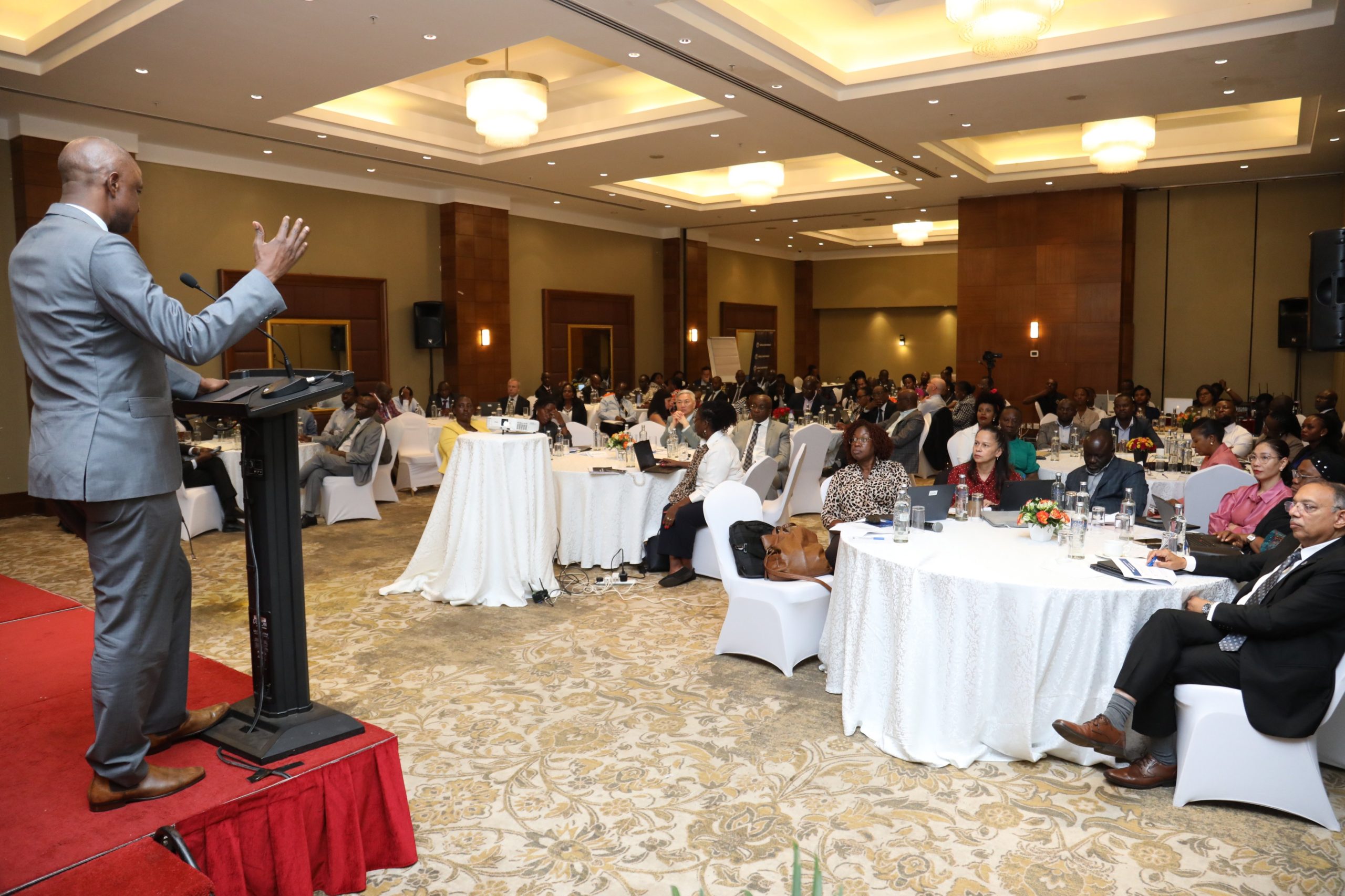
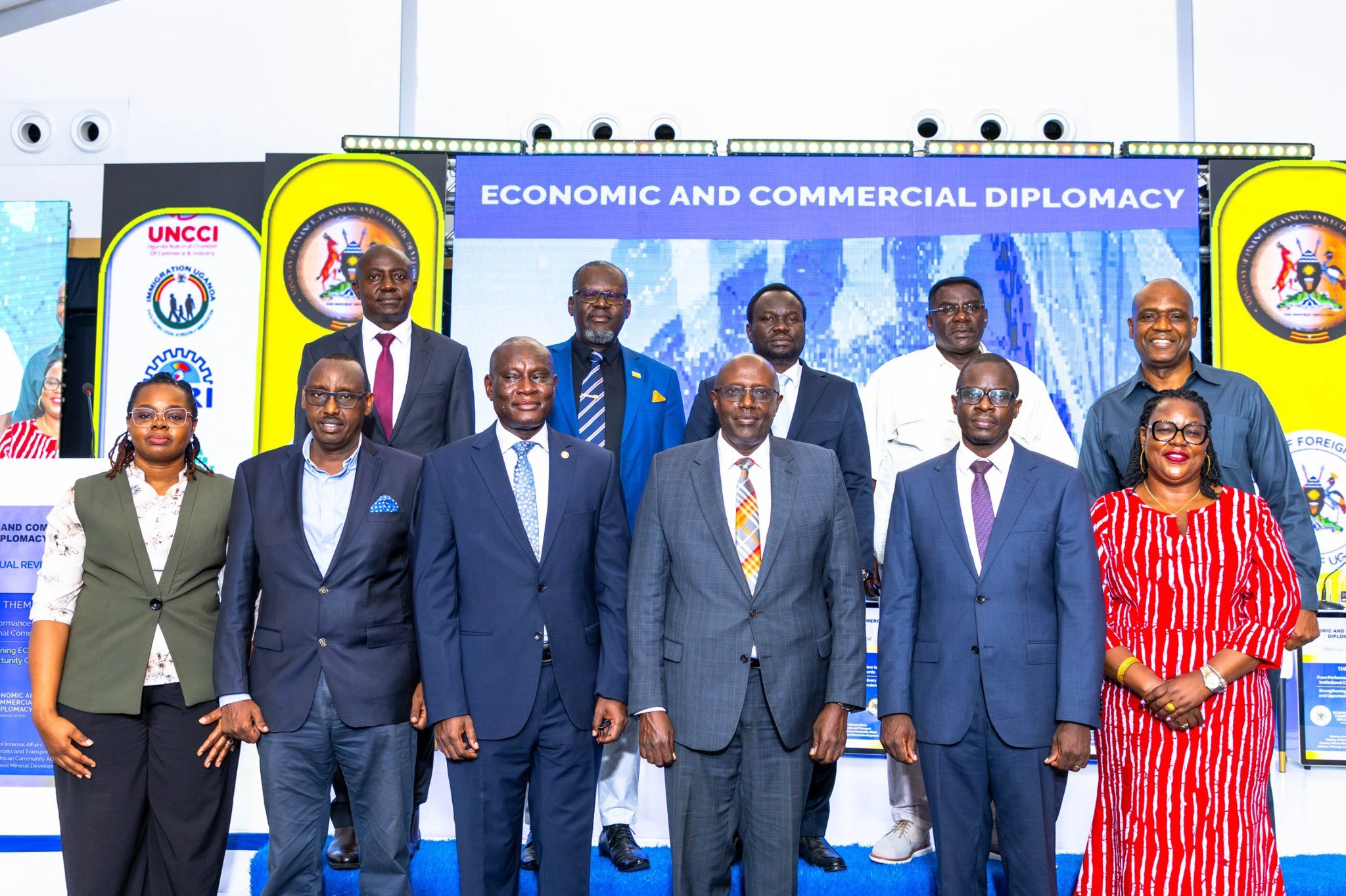
The milestone was highlighted by the Finance Ministry Acting Director Budget, Hannington Ashaba, during the Annual Review of ECD High-Level Meeting with Heads of Stakeholder Institutions at Lake Victoria Serena Kigo. The review brought together Government institutions including, Uganda Missions Abroad, private-sector representatives and other stakeholders to assess implementation, identify constraints and agree on priorities for the next cycle.
Ashaba noted that the rollout has been accompanied by increased activity by Missions, greater participation by Ministries, Departments and Agencies (MDAs), and more delegations coming into Uganda following engagements initiated by Missions. “The contacts, delegations and opportunities generated by Missions must translate into investments, export orders, tourism business and other economic results,” he said.
He emphasised that the next phase of ECD must focus on converting international engagements into measurable economic outcomes. This will require stronger coordination between Missions Abroad and institutions at the centre, as delays in approvals, standards, information, investor facilitation and other Government processes can result in lost opportunities.
The Ministry of Finance also welcomed growing private-sector interest in Economic and Commercial Diplomacy. At the recent National Budget Conference, the Uganda Manufacturers Association (UMA) and the Private Sector Foundation Uganda (PSFU) highlighted ECD as an important reform for expanding markets and supporting private-sector growth.
Ashaba stressed that ECD cannot be delivered by Government alone, calling for closer private-sector involvement in identifying opportunities and addressing practical constraints affecting trade and investment. On implementation, he called for realistic, prioritised ECD workplans linked to intended economic results. The ECD Monitoring and Evaluation Framework has been harmonised with Programme Implementation Action Plans, and MDAs were urged to reflect ECD-related interventions within their mandates in their plans and budgets.
He further called for stronger follow-up, with every opportunity generated by a Mission assigned a clear institutional owner, agreed actions and timelines.The Secretariat and Coordination Hub should ensure that opportunities do not get lost between Missions and institutions at the centre. On financing, Ashaba said Government has provided resources for ECD interventions, alongside funding available to MDAs performing functions across the ECD value chain.
The Ministry of Finance will continue strengthening results-based financing, with allocations to Missions increasingly taking account of performance, strategic market importance and implementation capacity. “Funding should be supported by credible workplans, a clear pipeline of opportunities and evidence of follow-up on previous engagements.”
As Uganda strengthens its economic and commercial diplomacy, the focus remains on converting international engagements into tangible economic outcomes, supporting private-sector growth and advancing national economic objectives.