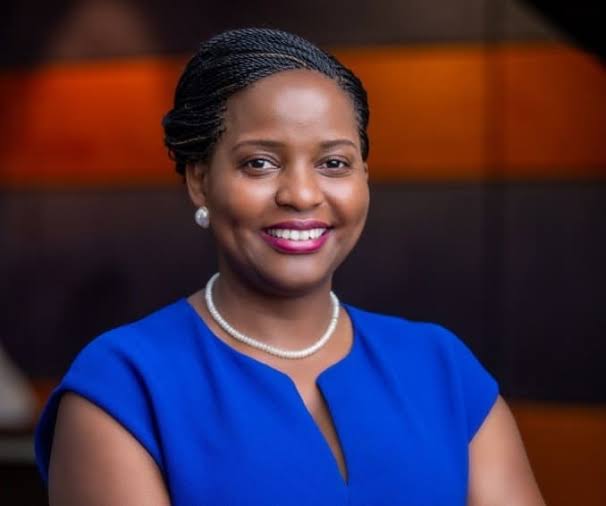
The East African Development Bank (EADB’s) decision to appoint Anne Juuko as Director General, effective October 2, 2026, brings an end to a leadership vacuum that lasted nearly two years and exposed weaknesses in the recruitment process for one of the region’s key development finance institutions.
What should have been a routine succession after Vivienne Yeda’s retirement has instead revealed the challenges of maintaining institutional stability amid prolonged uncertainty and attempts to influence the outcome through unofficial channels.
Yeda stepped down on December 31, 2024, after 17 years at the helm. Benard Mono, then Head of Finance, was immediately installed as Acting Director General.
The substantive post was advertised through PricewaterhouseCoopers Uganda, with the application deadline extended to April 11, 2025. The role carries a five year renewable term.
Yet the process dragged on well beyond initial expectations. S&P Global Ratings had noted in its 2025 assessment that the bank anticipated announcing a permanent leader in the first half of 2026.
That deadline passed without resolution, leaving Mono in an interim capacity far longer than planned and raising questions about the efficiency of the Governing Council’s decision making.
The delays created space for external pressures. In May 2026, as Juuko emerged as a leading candidate, disputed documents linked to her earlier tenure as Managing Director and Chief Executive of Stanbic Bank entered public circulation. One purported board resolution from December 2023 criticised aspects of her leadership.
Another, dated May 2024, portrayed her exit as a normal end of term transition to a regional Standard Bank Group role. Regulatory records did not corroborate the more damaging version, and the selective timing of the leaks suggested an effort to undermine her candidacy rather than a genuine contribution to due diligence.
Such episodes illustrate how confidential corporate material can be weaponised in high stakes regional appointments, testing the resilience of formal recruitment safeguards. Juuko’s selection nonetheless prevailed.
The Governing Council, chaired by Rwanda’s Finance Minister Yusuf Murangwa, confirmed her appointment during a meeting in Kampala. Murangwa cited her record of delivering growth across African markets and her familiarity with regional economies, capital markets and development financing.
Her career trajectory from Citibank roles in Uganda and Kenya, through Standard Bank postings in Uganda and Namibia, to leading Stanbic Bank between 2020 and 2024, and later heading Global Markets for East Africa, offers commercial banking depth.
Under her watch at Stanbic, assets rose from about UGX6.65 trillion to UGX8.57 trillion. Juuko has signalled priorities of expanding the bank’s development finance footprint, mobilising longer term capital and forging partnerships.
These goals come against a backdrop of tighter global concessional funding and persistent demand for infrastructure and productive investment across East Africa.
EADB’s recent performance show that profit before tax rose 51 per cent and loan disbursements climbed 140 per cent in 2025, while investment grade ratings were retained.
The Governing Council has paired the leadership change with governance reforms, though details remain limited. The protracted process and the attempted smear campaign reveal more than administrative sluggishness.